
Understanding Muscle and Joint Pain: What Causes Inflammation and Discomfort?
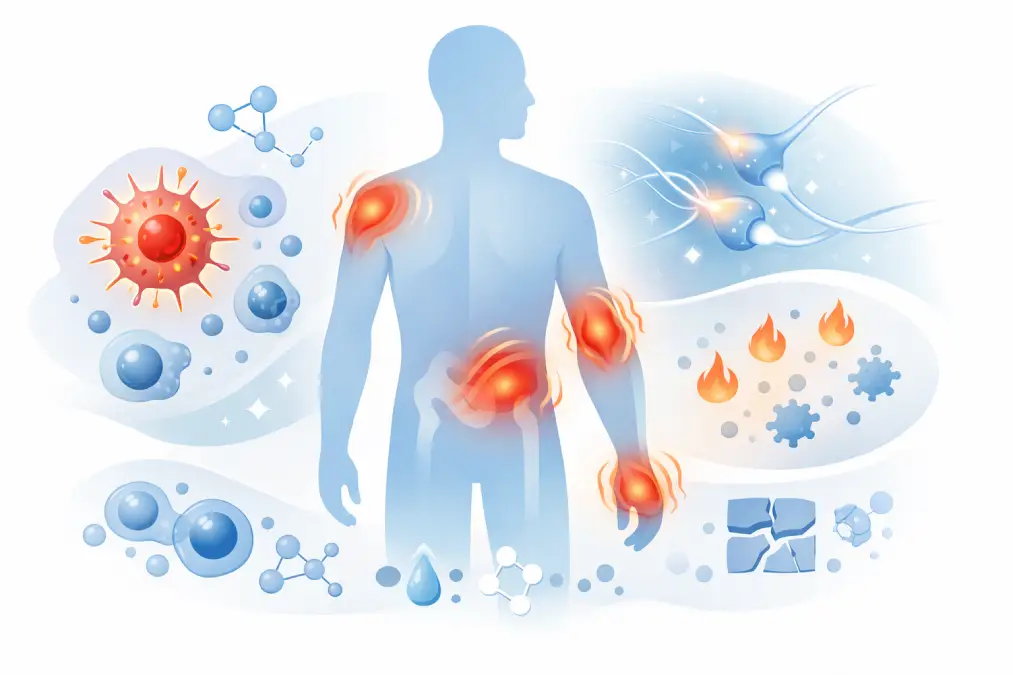
Pain and discomfort in muscles and joints — commonly referred to as muscle and joint pain —are common experiences, especially as the body responds to physical effort, aging, posture, or repetitive movements. While pain is often perceived as a problem to eliminate, it is actually a biological signal — a form of communication between tissues, nerves, and the brain.
Understanding what causes muscle and joint discomfort is the first step toward making informed decisions about care, recovery, and daily habits. Rather than being random or mysterious, most forms of discomfort follow predictable physiological mechanisms linked to inflammation, nerve signaling, and tissue stress.
What Is Muscle and Joint Pain?
Muscle pain typically arises from tension, overuse, minor strain, or delayed recovery after physical activity. Joint discomfort, on the other hand, often involves structures such as cartilage, ligaments, tendons, and synovial fluid.
Although these two types of pain feel different, they frequently overlap. A joint under stress can irritate surrounding muscles, while tight or fatigued muscles can place excess pressure on joints. This interconnectedness explains why discomfort is rarely isolated to a single tissue type.
Importantly, not all pain signals injury or damage. In many cases, discomfort reflects temporary physiological stress rather than structural harm.
The Role of Inflammation in Pain Perception
Inflammation is a natural and essential biological response. When tissues experience stress, strain, or microscopic damage, the immune system releases signaling molecules that increase blood flow and recruit repair mechanisms.
This inflammatory response helps protect and restore tissues, but it also sensitizes nearby nerve endings. As a result, areas affected by inflammation may feel sore, tender, or stiff.
Short-term inflammation is part of normal recovery. Problems tend to arise when inflammatory signaling becomes prolonged or poorly regulated, often due to repetitive strain, inadequate recovery, or underlying health factors.
Understanding inflammation as a process — not an enemy — helps explain why discomfort can fluctuate and why quick fixes rarely address root causes.
How Nerves Detect Pain and Discomfort
Pain perception begins with specialized nerve endings called nociceptors. These receptors respond to mechanical stress, chemical signals, and temperature changes.
When activated, nociceptors send electrical signals through the nervous system to the brain, where they are interpreted as pain or discomfort. This process explains why pain is subjective: the same physical stimulus can feel mild to one person and intense to another.
Factors such as fatigue, stress, sleep quality, and prior injury all influence how strongly the nervous system responds. This is why discomfort often feels worse during periods of exhaustion or stress, even without new physical damage.
Common Triggers of Muscle and Joint Discomfort
Several everyday factors contribute to muscle and joint discomfort:
- Physical activity: New or intense movements can stress tissues not yet adapted to the load.
- Repetitive motion: Repeating the same movements over time may overload specific muscles or joints.
- Posture and ergonomics: Prolonged sitting or poor alignment increases mechanical strain.
- Aging: Changes in tissue elasticity and recovery capacity affect comfort.
- Insufficient recovery: Lack of rest prevents tissues from restoring balance.
These triggers often interact, making discomfort a cumulative rather than isolated phenomenon.
When Discomfort Becomes Persistent
Occasional soreness or stiffness is normal. However, persistent or worsening discomfort may signal that recovery processes are not keeping pace with stress.
Chronic pain differs from temporary discomfort in both mechanism and impact. It often involves heightened nerve sensitivity and altered inflammatory signaling, rather than ongoing tissue damage.
At this stage, professional evaluation becomes important. Educational information can support awareness, but it does not replace medical or therapeutic guidance when symptoms persist.
How People Commonly Approach Temporary Discomfort
People use a variety of strategies to manage occasional muscle and joint discomfort, including:
- movement modification
- stretching and mobility work
- rest and recovery
- temperature-based approaches (cold or heat)
- topical comfort products
Each approach works through different mechanisms, and none should be viewed as universally effective. Understanding why these methods help in certain situations is key to using them appropriately.
Some individuals also explore topical products designed to provide temporary cooling sensations for localized discomfort. These formulations focus on sensory relief rather than underlying causes and are discussed in more detail in our Arctic Blast Review.
Arctic Blast Review: Does It Reallt Relieve Muscle Pain Fast?
Key Takeaways
People use a variety of strategies to manage occasional muscle and joint discomfort, including:
- Muscle and joint pain are biological signals, not random events.
- Inflammation plays a protective role but also influences discomfort.
- Pain perception depends on nerve signaling and nervous system sensitivity.
- Everyday habits, recovery, and stress strongly affect comfort levels.
- Understanding mechanisms helps guide smarter, safer choices.
Final Thoughts — Energy and Comfort Begin at the Cellular Level
Muscle and joint discomfort reflects how tissues, nerves, and inflammatory processes interact under stress. While discomfort can feel frustrating, it often represents the body responding to physical demands rather than failure or damage.
By understanding the biological foundations of pain and inflammation, individuals are better equipped to evaluate approaches that support recovery, comfort, and long-term physical resilience.
For those interested in how cooling sensations and topical approaches interact with pain perception — and what scientific evidence actually supports — the next article explores this topic in greater detail.
Cooling Sensations and Topical Pain Relief: What Science Actually Supports
Disclaimer
This content is for educational purposes only and does not replace professional medical advice. Muscle and joint discomfort can have multiple causes, and persistent or severe symptoms should be evaluated by a qualified healthcare professional.