
Oral Health Explained: How the Oral Microbiome Influences Overall Well-Being
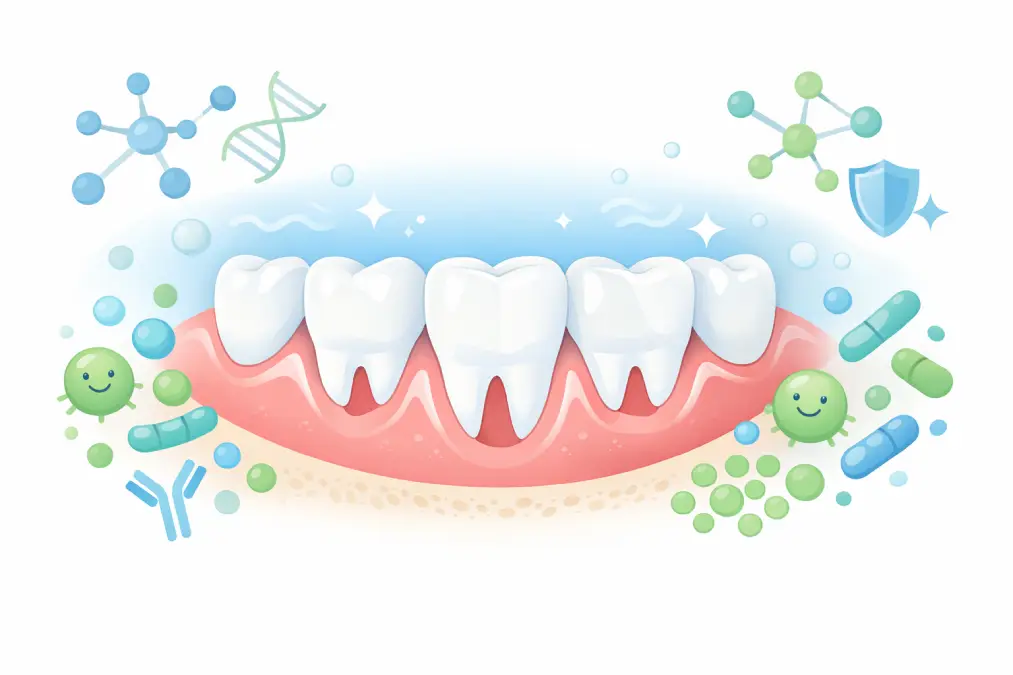
Oral health is often reduced to brushing, flossing, and dental visits. While these habits are essential, they represent only part of a much larger picture. The mouth is a complex biological environment where bacteria, immune responses, and daily behaviors interact continuously.
Understanding oral health as a living system — rather than a checklist of hygiene tasks — helps explain why gum issues, inflammation, and discomfort can persist even when basic routines are followed.
- What Does Oral Health Really Mean?
- The Oral Microbiome: A Living Ecosystem
- How Inflammation Affects Gums and Oral Tissues
- Common Factors That Disrupt Oral Health
- Oral Health and Whole-Body Connections
- How People Commonly Support Oral Health
- Key Takeaways
- Final Thoughts — Oral Health Starts With Balance
- Disclaimer
What Does Oral Health Really Mean?
Oral health refers to the condition of the teeth, gums, tongue, and surrounding tissues, as well as the balance of microorganisms living in the mouth. A healthy oral environment supports chewing, speaking, and protection against harmful bacteria.
Importantly, oral health is not defined by the absence of bacteria. Instead, it depends on maintaining a stable balance between beneficial and potentially harmful microbes. This balance plays a critical role in how the mouth responds to daily challenges such as food intake, stress, and immune changes.
The Oral Microbiome: A Living Ecosystem
The oral microbiome consists of hundreds of bacterial species that naturally inhabit the mouth. Many of these microorganisms contribute to normal functions, including digestion initiation and immune signaling.
Research published by the National Institutes of Health (NIH) shows that a balanced oral microbiome helps regulate inflammation and supports gum tissue integrity, while disruptions in this balance may increase susceptibility to oral irritation and plaque-related issues.
For readers interested in how daily habits can support dental wellness and microbial balance, this topic is explored further in our guide on supporting oral balance naturally.
How Inflammation Affects Gums and Oral Tissues
Inflammation is the body’s natural response to stress, injury, or microbial imbalance. In the mouth, mild inflammation helps control bacterial growth and supports tissue repair.
According to clinical research available through PubMed, prolonged inflammatory signaling in oral tissues may weaken the protective barrier of the gums, making them more susceptible to irritation and sensitivity over time.
Understanding inflammation as a process — rather than a disease itself — is essential for evaluating long-term oral health strategies.
Common Factors That Disrupt Oral Health
Several everyday factors may influence oral balance over time:
- diets high in sugar or refined carbohydrates
- inconsistent oral hygiene habits
- smoking or tobacco exposure
- chronic stress
- certain medications that reduce saliva flow
These factors do not act in isolation. Instead, they often interact, gradually shifting the oral environment toward imbalance.
Oral Health and Whole-Body Connections
The mouth does not function independently from the rest of the body. Clinical insights shared by institutions such as PubMed Central and the Frontiers suggest that oral inflammation may be associated with broader systemic processes, particularly when inflammatory responses remain active for extended periods.
While oral health alone does not determine overall health outcomes, maintaining a balanced oral environment supports the body’s natural defense systems and reduces unnecessary inflammatory stress.
How People Commonly Support Oral Health
Most oral health routines focus on mechanical cleaning and professional care, including brushing, flossing, and regular dental checkups. These practices remain foundational.
In recent years, some individuals have also explored oral probiotic supplements as part of broader oral health routines aimed at supporting microbial balance. One such approach is discussed in more detail in our DentaVive Review, which examines ingredients, scientific evidence, and limitations.
DentaVive Review: A Science-Based Oral Health Supplement Explained
Key Takeaways
- Oral health depends on balance, not sterility.
- The oral microbiome plays a central role in gum and tissue health.
- Inflammation is a protective response but may become problematic when prolonged.
- Daily habits strongly influence oral balance over time.
- Understanding biology helps guide informed oral care choices.
Final Thoughts — Oral Health Starts With Balance
Oral health is not maintained through a single habit or product. It reflects how bacteria, immune responses, and daily behaviors interact over time.
By viewing the mouth as a living ecosystem, individuals can better understand why consistency, balance, and informed choices matter for long-term oral well-being.
Understanding oral health at a biological level is the foundation. For readers looking to translate this knowledge into daily habits and routines, the next guide explores practical approaches to supporting dental wellness.
Supporting Dental Wellness: Practical Habits for a Balanced Mouth
Disclaimer
This content is for educational purposes only and does not replace professional medical or dental advice. Oral health conditions vary between individuals, and persistent symptoms should be evaluated by a qualified healthcare professional.