
Gut Balance Guide: Supporting Digestion and Fat Metabolism Naturally
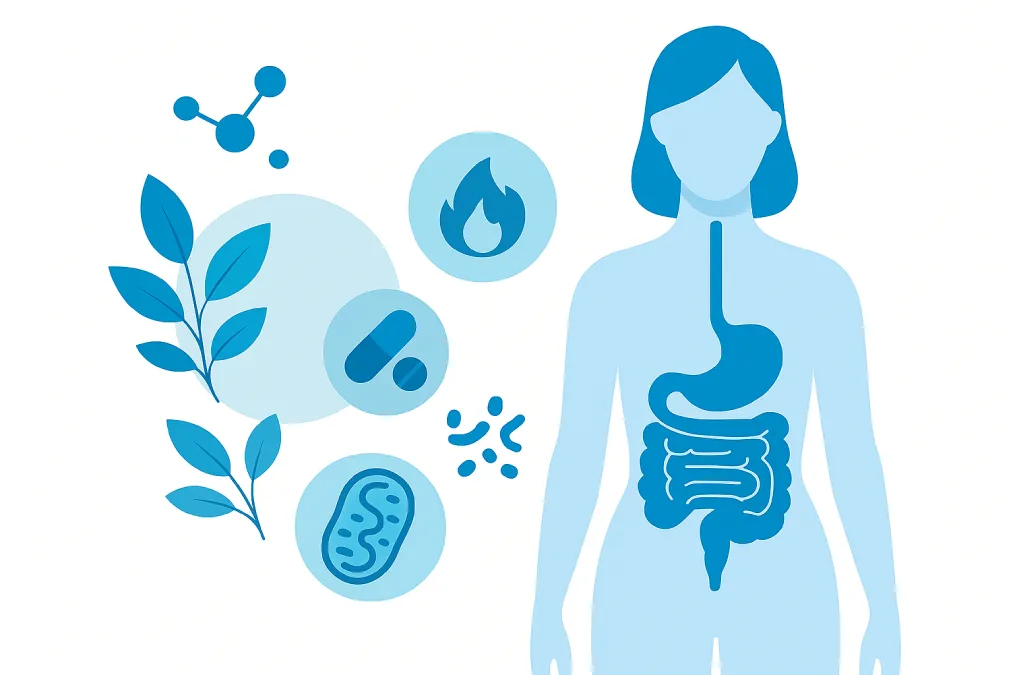
Your gut is more than a digestive system — it’s an ecosystem that communicates with your brain, hormones, and metabolism every day.
When this internal balance is disrupted, your body may struggle to burn fat efficiently or maintain steady energy levels.
This guide explains how to restore gut balance naturally and support digestion and metabolism through everyday choices and scientifically backed nutrients.
The Gut–Metabolism Axis: Why Balance Matters
The relationship between your gut and metabolism is called the gut–metabolism axis.
It describes how intestinal bacteria influence metabolic hormones such as insulin, leptin, and ghrelin — signals that regulate appetite, fat storage, and energy use.
According to Cleveland Clinic, a diverse and balanced microbiome supports nutrient absorption, stabilizes blood sugar, and improves metabolic efficiency.
When this balance is disrupted by stress, poor diet, or antibiotics, inflammation increases and fat burning slows down.
When the Gut Falls Out of Balance
An unbalanced gut microbiome can trigger several metabolic disruptions:
- Increased cravings for sugar and processed foods
- Bloating, irregular digestion, or fatigue after eating
- Hormonal imbalance (insulin resistance or leptin dysfunction)
- Slower energy production and fat oxidation
As Harvard Health Publishing notes, this imbalance can make weight management difficult even with proper diet and exercise.
Signs You Might Need to Restore Gut Balance
- Persistent bloating or digestive discomfort
- Cravings for sweets or high-carbohydrate foods
- Low energy or mood fluctuations
- Slow metabolism and stubborn fat areas
- Irregular appetite or poor focus
These signs suggest that your gut bacteria may be out of sync with your metabolic needs.
How to Restore Gut Health Naturally
Gut restoration doesn’t require strict diets — just consistent, mindful habits.
Focus on three main pillars: nutrition, lifestyle, and mental balance.
Nutrition
- Eat fiber-rich foods: vegetables, oats, legumes, and fruits.
- Include fermented foods like yogurt, kefir, kimchi, and sauerkraut.
- Add prebiotic foods: onions, garlic, asparagus, and bananas.
- Stay hydrated — water supports digestion and nutrient transport.
Lifestyle
- Move daily — light activity stimulates digestion and circulation.
- Manage stress: chronic cortisol disrupts the microbiome.
- Prioritize 7–8 hours of sleep for metabolic recovery.
- Avoid excessive alcohol and ultra-processed foods.
Mind–Gut Connection
Your brain and digestive system communicate through the vagus nerve.
Mindfulness, deep breathing, and relaxation practices can improve this connection — reducing inflammation and improving gut motility.
Studies from NIH show that a healthy gut also influences mood, concentration, and cognitive energy.
The Role of Probiotics, Prebiotics, and Polyphenols
Science recognizes three key elements for restoring gut balance and supporting fat metabolism:
| Compound | Function | Source |
|---|---|---|
| Probiotics | Add beneficial bacteria | Yogurt, kefir, supplements |
| Prebiotics | Feed existing bacteria | Oats, garlic, asparagus |
| Polyphenols | Provide antioxidant and metabolic support | Green tea, berries, turmeric |
When combined, these compounds enhance each other’s effects — improving digestion, reducing oxidative stress, and promoting metabolic flexibility.
Many natural blends are designed around this principle to safely support both gut and metabolic health.
Curious how digestion and metabolism are connected?
Read our previous guide to understand the science behind it: The Hidden Link Between Digestion and Fat Metabolism: How a Balanced Gut Helps Burn Fat Naturally
When Natural Support Can Make a Difference
Sometimes, even the best habits take time to rebalance the microbiome.
In these cases, natural formulations that combine probiotics, prebiotics, and polyphenols can accelerate recovery safely.
Modern research — including findings from Harvard Health Publishing and Cleveland Clinic — confirms that these ingredients can strengthen the gut barrier, reduce inflammation, and improve metabolic outcomes.
Explore how natural formulations combine these same compounds to support gut and fat metabolism synergy:
Sumatra Slim Belly Tonic Review — Natural Support for Gut Health and Fat Metabolism
Final Thoughts — Balance Within, Energy Beyond
Gut balance is not about restriction — it’s about harmony.
When digestion works efficiently, metabolism follows naturally.
By supporting your gut with nourishing foods, mindful habits, and evidence-based compounds, you promote lasting energy and a healthier relationship with your body.
References
- Harvard Health Publishing — Do Gut Bacteria Inhibit Weight Loss?
- Cleveland Clinic — Gut Microbiome and Metabolic Health.
- NIH — Gut Bacteria Linked to Metabolism and Brain Function.
- Mayo Clinic — Digestive Health and Nutrition.
Disclaimer
This article is for educational purposes only and does not replace professional medical advice.
Always consult a qualified healthcare provider before making changes to your diet or supplementation.