
The Science of Energy Metabolism: How Your Cells Convert Fat into Fuel
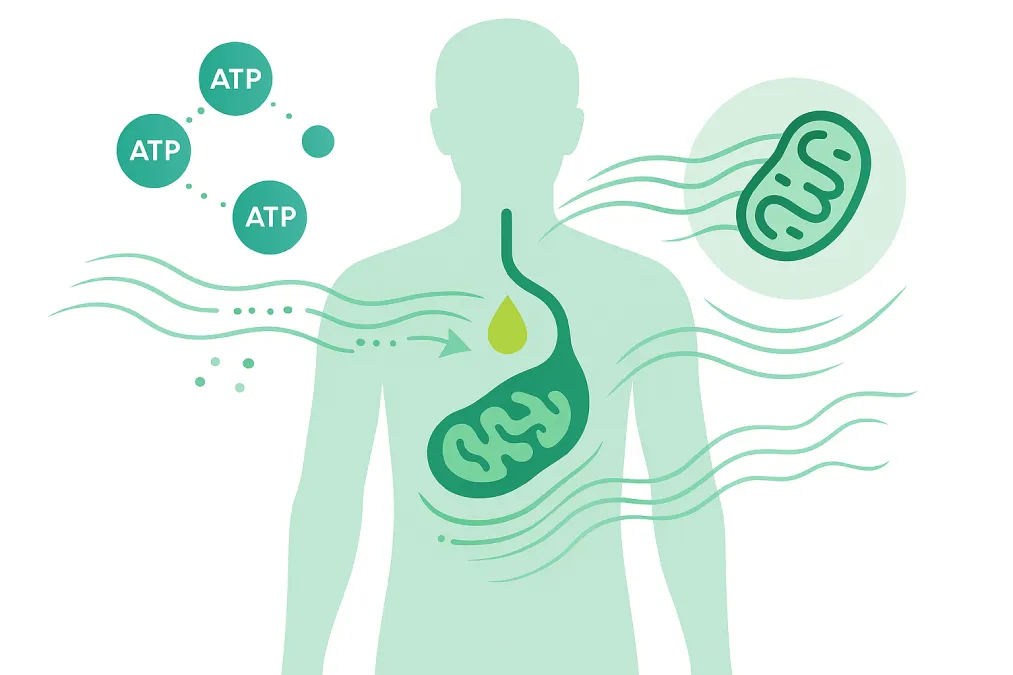
Energy isn’t just something you feel — it’s something your cells make.
Every moment, trillions of your cells are converting nutrients into energy through a complex but elegant biological process. When that process flows smoothly, you feel strong, focused, and metabolically efficient. When it doesn’t, fatigue, cravings, and slow metabolism take over.
Understanding how your cells convert fat into fuel is the foundation for improving metabolic health at any stage of life.
What Is Energy Metabolism and Why It Matters
Energy metabolism refers to how your body converts food into usable energy (ATP).
This process happens inside the mitochondria — your cells’ power generators.
According to research from Nature, mitochondria regulate how your body switches between burning glucose and fat based on energy demand.
This metabolic flexibility is the key to natural energy, weight balance, and long-term health.
Cellular Energy Balance — How to Support Your Metabolism Naturally
How Your Cells Convert Fat Into Fuel
Fat is stored in adipose tissue as triglycerides.
When your body needs energy — during exercise, fasting, or low insulin periods — it triggers lipolysis, releasing fatty acids into the bloodstream.
Once inside the cell, fatty acids are transported to the mitochondria, where they undergo beta-oxidation.
This breaks fat into smaller molecules, producing the raw material the mitochondria need to create ATP.
As the National Center for Biotechnology Information (NCBI) explains, beta-oxidation is one of the most efficient ways the body extracts energy.
Simply put:
Beta-oxidation = converting fat → usable energy.
Why Mitochondria Matter
Mitochondria determine:
- how much energy you produce,
- how efficiently you burn fat,
- how well your cells respond to stress,
- how quickly your metabolism adapts.
Low mitochondrial activity is linked to:
- fatigue
- slow metabolism
- poor endurance
- increased fat storage
- inflammation
As the National Center for Biotechnology Information (NCBI) explains, beta-oxidation is one of the most efficient ways the body extracts energy.
Healthy mitochondria = healthy metabolism.
Macronutrients and Energy Yield
| Macronutrient | Main Function | Energy Yield |
|---|---|---|
| Carbohydrates | Quick energy | 4 kcal/g |
| Protein | Tissue repair | 4 kcal/g |
| Fat | Long-term energy & hormone support | 9 kcal/g |
Fat delivers more than double the energy of carbs — which is why efficient fat metabolism is essential for stable energy and weight management.
Factors That Influence Fat-to-Fuel Conversion
1. Insulin Levels
High insulin blocks fat metabolism.
Balanced insulin → easier fat oxidation.
2. Mitochondrial Density
More mitochondria = more energy production.
Exercise & plant compounds support this.
3. Hormones
Thyroid, cortisol, adrenaline and leptin all influence fat-burning efficiency.
4. Inflammation
Inflammation slows mitochondrial performance and metabolic flexibility.
5. Nutrient Availability
Fat metabolism requires:
- B vitamins
- magnesium
- carnitine
- antioxidants
How to Support Cellular Energy Naturally
1. Regular Moviments
Stimulates mitochondrial density.
2. Balanced meals
Protein + healthy fats + complex carbs.
3. Quality sleep
Restores mitochondrial repair pathways.
4. Stress reduction
Cortisol disrupts metabolic efficiency.
5. Natural polyphenols
Found in green tea, berries, turmeric — support mitochondrial function.
Curious how to naturally support your cellular energy? Read our guide:
Want to explore how natural formulations support metabolic flexibility? Read our review:
Final Thoughts — Energy Starts at the Cellular Level
Your body’s ability to burn fat and produce energy is not random — it’s the result of efficient mitochondrial function and metabolic flexibility.
When you support your cells with movement, nutrition, rest, and natural compounds, your metabolism begins to work with you, not against you.
For those who want to explore how this cellular perspective translates into practical nutritional support, our Metabo Flex Review examines a supplement formulated to support metabolic health and energy balance within this framework.
Read the Metabo Flex Review — Natural Support for Metabolic Health & Energy Balance
References
- Nature Reviews Molecular Cell Biology — Mitochondrial Dynamics and Metabolic Control.
- NCBI — How Cells Obtain Energy.
- Cleveland Clinic — Metabolism and Hormonal Regulation.
- Harvard Health Publishing — Understanding Cellular Energy Production.