
The Hidden Link Between Digestion and Fat Metabolism: How a Balanced Gut Helps Burn Fat Naturally
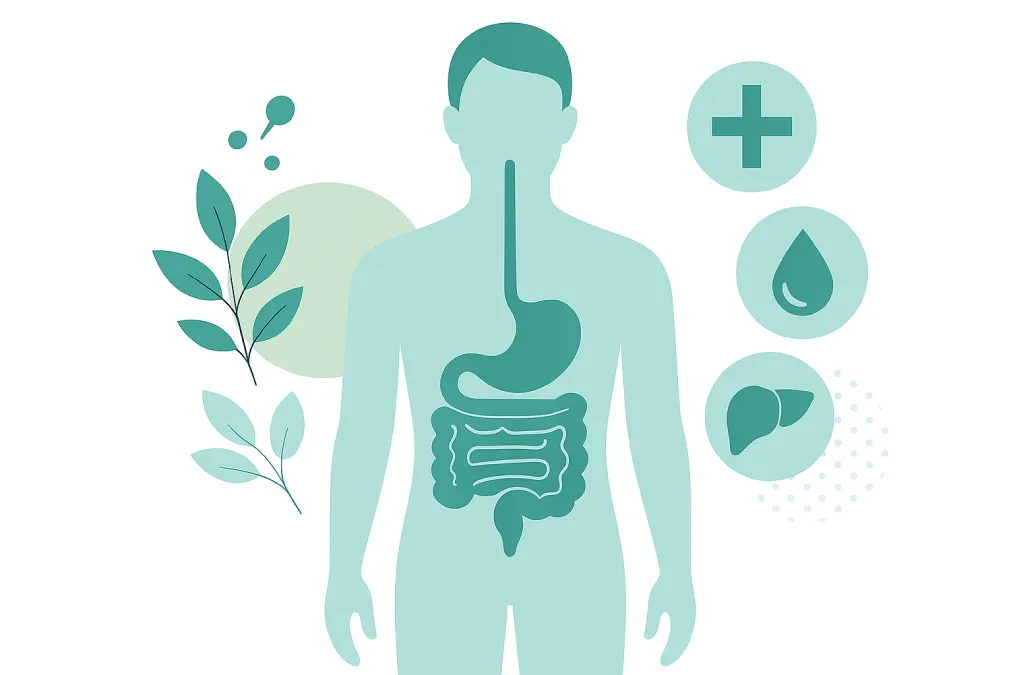
For years, we’ve been told that weight management is a simple equation of calories in versus calories out.
But what if the key to a healthy metabolism isn’t just about what you eat, but how your body processes it?
Emerging science is uncovering a profound connection between your digestive system and your ability to burn fat, suggesting that the foundation of metabolic balance lies within your gut.
This article will explore the hidden link between digestion and fat metabolism, revealing how a balanced gut can unlock your body’s natural fat-burning potential.
Why Digestion Plays a Central Role in Weight Management
Your digestive system does more than just break down food.
It’s a complex ecosystem that influences nutrient absorption, hormone signaling, and overall energy use.
When your digestion is balanced, your body can efficiently extract nutrients from food, regulate appetite through hormones like leptin and insulin, and maintain a healthy metabolism.
The digestive process triggers the release of various hormones that communicate with your brain and other organs, coordinating your body’s energy balance.
However, an imbalanced gut can disrupt these processes in multiple ways.
When the digestive system isn’t functioning optimally, it can lead to poor nutrient absorption, meaning your body doesn’t get the vitamins, minerals, and other compounds it needs to support metabolic processes.
This can create a vicious cycle where your body craves more food to compensate for the nutrients it’s not absorbing, leading to overeating and weight gain.
The Science Behind the Gut–Metabolism Connection
Your gut is home to trillions of bacteria, collectively known as the gut microbiome.
This intricate community of microorganisms plays a crucial role in your health, influencing everything from your immune system to your mood.
Recent research has shown that the gut microbiome also has a significant impact on fat storage and energy production.
In fact, your gut bacteria have 250 to 800 times more genes than you have human genes, and these bacterial genes produce substances that enter your bloodstream and affect your body chemistry.
The gut microbiome helps break down food into smaller components that can be absorbed by your body.
Some bacteria are particularly efficient at breaking down food into the smallest pieces that get absorbed into your blood, adding calories to your body.
Research has shown that the types of bacteria in your gut can actually influence whether you gain or lose weight.
Studies have demonstrated that when bacteria from obese mice are transferred to lean, germ-free mice, those mice become fat.
Conversely, bacteria from lean mice keep the recipient mice lean.
One of the key ways gut bacteria influence metabolism is through the production of short-chain fatty acids (SCFAs).
These metabolites are produced when gut bacteria ferment dietary fiber.
SCFAs have remarkable effects on metabolism, including increasing fatty acid oxidation, inhibiting fatty acid synthesis, increasing heat production, and reducing fat storage.
They also play a crucial role in improving insulin sensitivity, which is essential for maintaining healthy blood sugar levels and preventing metabolic disorders.
How Imbalanced Digestion Slows Fat Burning
An unhealthy gut microbiome can lead to a cascade of problems that slow down your metabolism.
When harmful bacteria outnumber beneficial bacteria, it can lead to a condition called dysbiosis.
This imbalance can cause a breakdown in the gut lining, a condition often referred to as “leaky gut.”
When the gut barrier is compromised, toxins and undigested food particles can enter the bloodstream, triggering an immune response.
This triggers a low-grade, chronic inflammation throughout the body that can interfere with insulin signaling and promote fat storage, particularly around the abdomen.
Inflammation can also affect the production and function of leptin, a hormone that regulates appetite and energy expenditure.
When leptin signaling is disrupted, it can lead to increased hunger and decreased energy expenditure, making it harder to lose weight.
Common Signs of Digestive Imbalance Affecting Metabolism
If your gut is out of balance, you may experience a variety of symptoms that you might not immediately connect to your digestion.
Recognizing these signs is the first step toward addressing the underlying issue. These can include:
- Bloating and gas: Frequent discomfort after eating, which may indicate an imbalance in gut bacteria or difficulty digesting certain foods.
- Fatigue: Feeling tired even after a full night’s sleep, which can result from poor nutrient absorption or chronic inflammation.
- Food cravings: Intense cravings for sugar and processed foods, which can be driven by certain types of gut bacteria that thrive on these foods.
- Irregular appetite: Fluctuations in hunger and fullness cues, which may indicate hormonal imbalances related to gut health.
- Stubborn belly fat: Difficulty losing weight, especially around your midsection, which is often associated with insulin resistance and inflammation.
It’s important to remember that these issues are often a sign of an internal imbalance, not a lack of willpower.
Understanding this can help you approach weight management with compassion and a focus on healing rather than restriction.
Everyday Habits That Help Restore Gut Balance
The good news is that you can take steps to restore balance to your gut and support a healthy metabolism.
Simple, everyday habits can make a big difference in the composition and function of your gut microbiome.
- Nutrition: Focus on a diet rich in fiber, prebiotics, and fermented foods. Fiber feeds your beneficial gut bacteria, while fermented foods introduce new beneficial bacteria into your system.
- Hydration: Drink plenty of water to support digestion and help flush toxins from your system. Green tea and lemon water can provide additional antioxidant benefits.
- Lifestyle: Incorporate regular movement, which has been shown to increase the diversity of gut bacteria. Practice stress reduction techniques like meditation or yoga, as chronic stress can negatively impact gut health. Prioritize consistent sleep, as sleep deprivation can alter the gut microbiome and increase inflammation.
Foods That Feed a Healthy Metabolism
Certain foods are particularly beneficial for supporting a healthy gut microbiome and metabolism.
Incorporating these foods into your daily diet can help create an environment where beneficial bacteria thrive.
| Food Group | Examples | Benefits |
|---|---|---|
| Fermented Foods | Yogurt, kimchi, sauerkraut, kefir | Rich in probiotics, which are beneficial gut bacteria that can help restore balance to your microbiome. |
| Prebiotic-Rich Foods | Oats, leafy greens, onions, garlic, leeks, dandelion greens | Provide food for your good gut bacteria to thrive, helping them multiply and outcompete harmful bacteria. |
| Anti-Inflammatory Foods | Ginger, turmeric, berries, fatty fish | Help reduce inflammation in the gut and throughout the body, supporting insulin sensitivity and metabolic health. |
| Polyphenol-Rich Foods | Green tea, dark chocolate, colorful fruits and vegetables | Support a diverse gut microbiome and have been shown to activate fat-burning processes in the body. |
Natural Compounds That Support Digestion and Metabolism
In addition to a healthy diet and lifestyle, certain natural compounds can help support digestion and metabolism.
Polyphenols, found in colorful fruits and vegetables, have been shown to have a positive impact on the gut microbiome.
Research indicates that dietary polyphenols can activate fat-burning processes, relieve obesity, and reduce fat accumulation through their interactions with gut bacteria.
Probiotics, found in fermented foods and supplements, can help replenish beneficial gut bacteria.
Studies have shown that probiotics are highly effective for improving body weight and increasing fat loss.
Some formulations combine probiotics and polyphenols to promote metabolic balance through improved digestion, creating a synergistic effect that supports both gut health and fat metabolism.
Want to understand how gut health directly supports metabolism and energy levels?
Read our next guide: Gut Balance Guide: Supporting Digestion and Fat Metabolism Naturally
When Natural Balance Needs Extra Support
For some people, lifestyle changes alone may not be enough to restore gut balance and jumpstart their metabolism.
This is particularly true for individuals who have experienced persistent metabolic slowdown, have a history of antibiotic use that may have disrupted their gut microbiome, or are dealing with chronic inflammation.
In these cases, targeted support may be needed.
Research has identified blends of natural ingredients that can assist this process safely and effectively.
These formulations often combine probiotics, prebiotics, polyphenols, and other plant-based compounds that work together to support digestive health and metabolic function.
By addressing both gut balance and metabolic processes simultaneously, these natural approaches can provide comprehensive support for individuals struggling with weight management.
Explore how modern formulations use natural ingredients to support digestion and metabolism synergy:
Sumatra Slim Belly Tonic Review — Natural Support for Gut Health and Fat Metabolism
Final Thoughts — Your Gut Is the First Step Toward Metabolic Health
Your digestive health is not separate from your metabolism; it’s the foundation.
The trillions of bacteria living in your gut are constantly communicating with your body, influencing everything from how you extract energy from food to how you store fat.
By focusing on creating a healthy gut environment through proper nutrition, hydration, stress management, and sleep, you can support your body’s natural ability to burn fat, regulate your weight, and feel your best.
Remember that healing your gut and restoring metabolic balance is a journey, not a destination.
Consistent care and awareness are far more effective than any quick fix.
Start with small, sustainable changes and build from there.
Your gut—and your metabolism—will thank you.
References
- Harvard Health Publishing — Gut Microbiome and Weight Control
- Cleveland Clinic — The Link Between Gut Bacteria and Metabolism
- PubMed Central — The Influence of the Gut Microbiome on Obesity in Adults and the Role of Probiotics, Prebiotics, and Synbiotics for Weight Loss
- PubMed Central — Dietary Polyphenol, Gut Microbiota, and Health Benefits
- PubMed Central — Short-Chain Fatty Acids and Their Association with Signalling Pathways in Inflammation, Glucose and Lipid Metabolism
Disclaimer
This article is for educational purposes only and should not replace medical advice.
Always consult a qualified healthcare professional before making changes to diet or supplementation.
Hi
Insert bestsupplement.blog in Google Search Index and have it appear in online search results!
Register bestsupplement.blog at https://searchregister.org