
Cellular Energy Balance — How to Support Your Metabolism Naturally
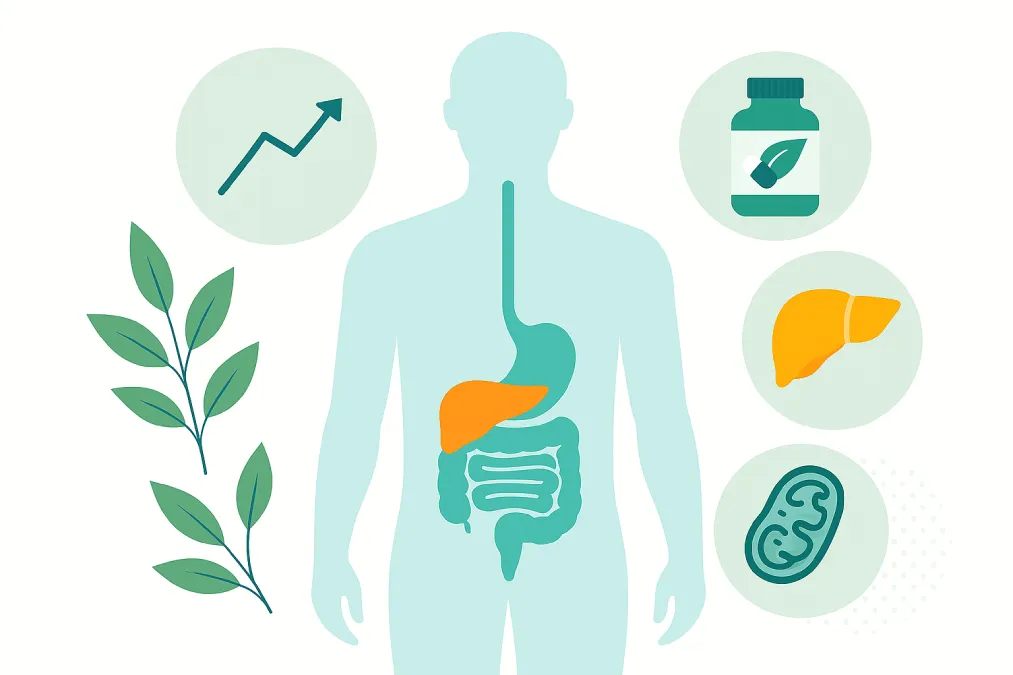
Energy isn’t built overnight — it’s cultivated at the cellular level. Every heartbeat, breath, and movement depends on how efficiently your cells convert nutrients into usable energy.
When this system is balanced, you feel strong, focused, and metabolically flexible.
When it falters, fatigue, cravings, and metabolic slowdown become daily obstacles.
This guide explores how to support cellular energy balance naturally, using lifestyle principles and nutrient strategies backed by emerging research.
What Is Cellular Energy Balance?
Cellular energy balance describes how efficiently your cells produce and use energy (ATP).
This process is controlled by the mitochondria — the “engines” of your cells.
Research published in Cell shows that mitochondrial efficiency directly influences metabolic flexibility — your body’s ability to switch between burning fat and glucose..
A balanced system creates stable energy. An imbalanced one leads to fatigue and slower metabolism.
Want a deeper understanding of how your body converts fat into clean energy?
Read the guide: The Science of Energy Metabolism — How Your Cells Convert Fat into Fuel
How Mitochondria Regulate Your Energy
Your mitochondria decide:
- how much ATP you produce,
- how effectively you convert fat into energy,
- how your cells respond to stress, and
- how quickly your metabolism adapts.
According to the National Center for Biotechnology Information (NCBI), nutrients and lifestyle factors play a crucial role in supporting mitochondrial biogenesis — the creation of new mitochondria.
More mitochondria → more energy → better metabolic health.
Why Cellular Energy Declines
Several factors disrupt cellular energy production:
- Chronic stress — excess cortisol slows ATP output.
- Inflammation — damages mitochondria over time.
- Poor sleep — impairs energy recovery.
- Sedentary lifestyle — reduces mitochondrial density.
- Low nutrient availability — especially B vitamins, magnesium, and polyphenols.
Fortunately, many of these factors are reversible through lifestyle shifts.
Natural Ways to Support Cellular Energy
Below are science-supported strategies that help restore energy balance at the cellular level.
1. Move Your Body Regularly
Movement stimulates mitochondrial biogenesis — meaning your body creates new energy-producing structures.
Even light daily movement counts:
- walking
- stretching
- cycling
- mobility work
- low-intensity exercise
Consistency matters more than intensity.
2. Prioritize Mitochondria-Friendly Foods
Nutrients that support cellular energy include:
- B vitamins — essential for energy conversion
- Magnesium — cofactor for ATP production
- Carnitine — helps transport fat into mitochondria
- Polyphenols — found in berries, tea, turmeric
These nutrients help your cells use fat more efficiently.
3. Support Your Sleep Cycles
Sleep is when your body repairs mitochondria and restores hormonal balance.
Aim for:
- 7–9 hours
- Consistent sleep patterns
- Evening light reduction
- Low pre-sleep stimulation
Good sleep = better energy metabolism.
4. Reduce Chronic Stress
Chronic stress burns through nutrients and disrupts ATP production.
Simple practices help regulate your body’s energy environment:
- slow breathing
- mindfulness
- outdoor walks
- journaling
- saying “no” more often
These small habits make a measurable difference.
5. Include Polyphenol-Rich Foods Daily
Polyphenols support:
- mitochondrial protection
- oxidative stress reduction
- fat oxidation
- metabolic flexibility
Polyphenol-rich examples:
- berries
- green tea
- olive oil
- turmeric
- dark leafy greens
Incorporate them naturally into meals — no strict diets required.
Final Thoughts — Energy Begins at the Cellular Level
Supporting your metabolism doesn’t require extreme diets or strict routines.
It begins with understanding how your cells produce energy — and taking small, practical steps to help them work efficiently.
By moving consistently, sleeping deeply, managing stress, and nourishing your cells with key nutrients, you support your energy system as a whole.
This builds the foundation for long-term metabolic balance.
Curious how natural formulations may support metabolic flexibility?
Explore the review: Metabo Flex Review — Natural Support for Metabolic Health & Energy Balance
References
- Cell — Mitochondrial Control of Metabolism and Energy Production.
- NCBI — The Role of Nutrition in Mitochondrial Biogenesis.
- Cleveland Clinic — What Affects Your Energy Levels?
- Harvard Health Publishing — Nutrients That Support Cellular Energy.