
What Causes Blood Sugar Spikes? A Simple Explanation
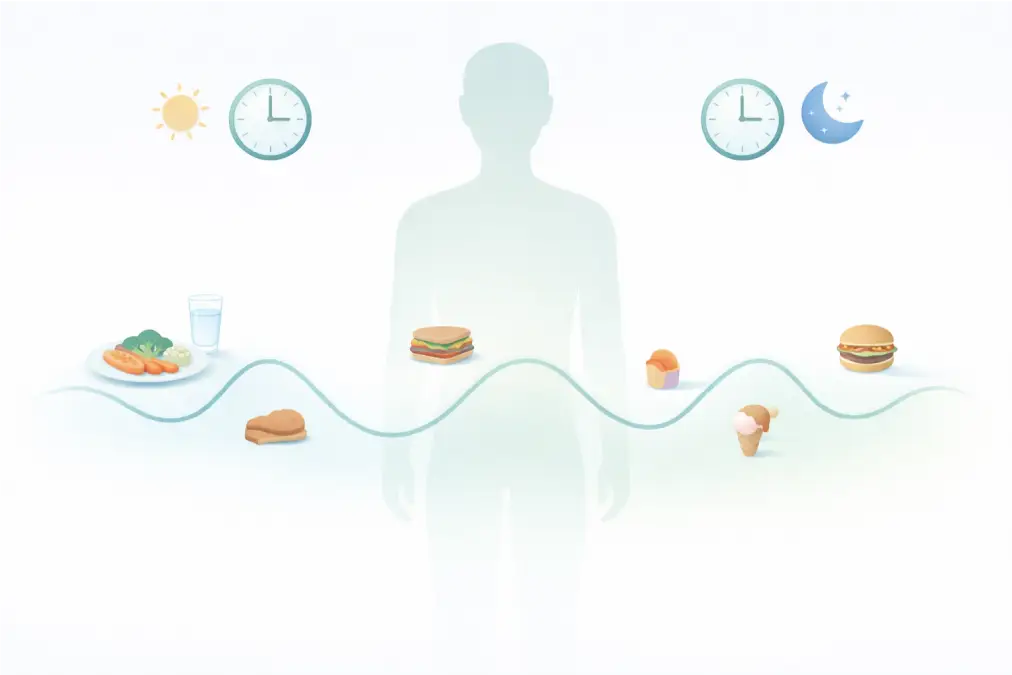
- Introduction: Why Blood Sugar Spikes Are So Common
- What Happens in the Body During a Blood Sugar Spike
- Common Dietary Causes of Blood Sugar Spikes
- Blood Sugar Spikes Without Sugar: How That Happens
- Lifestyle Factors That Affect Blood Sugar Levels
- Short-Term vs. Frequent Blood Sugar Spikes
- Why Blood Sugar Spikes Feel Different for Each Person
- Understanding Blood Sugar Is the First Step
Introduction: Why Blood Sugar Spikes Are So Common
Blood sugar spikes are often associated with diabetes or high sugar intake, but they can happen to almost anyone — sometimes even after meals that don’t seem particularly sweet. Many people experience sudden drops in energy, increased hunger, or difficulty concentrating without realizing these sensations may be linked to fluctuations in blood glucose levels.
Understanding what causes blood sugar spikes is not about diagnosing a condition or finding quick fixes. It is about recognizing how everyday foods, habits, and physiological responses interact throughout the day. This awareness is the first step toward making sense of how the body manages glucose under normal circumstances.
What Happens in the Body During a Blood Sugar Spike
When you eat, especially foods containing carbohydrates, your digestive system breaks them down into glucose. This glucose enters the bloodstream and becomes a primary source of energy for cells.
As blood glucose rises, the body responds by releasing insulin, a hormone that helps move glucose into cells where it can be used or stored. This process is normal and necessary. A blood sugar spike simply refers to a temporary rise in blood glucose after eating.
Problems do not come from spikes alone, but from how high they rise, how quickly they fall, and how often this pattern repeats.
Common Dietary Causes of Blood Sugar Spikes
One of the most common reasons for blood sugar spikes is diet composition. Certain foods tend to raise blood glucose more rapidly than others.
Key dietary factors include:
- Refined carbohydrates, such as white bread, pastries, and many packaged snacks
- Highly processed foods, which are often digested quickly
- Large portion sizes, even when foods are not high in sugar
- Liquid calories, such as sweetened drinks or fruit juices
Meals that are low in fiber, protein, or fat may also lead to faster glucose absorption, increasing the likelihood of a noticeable spike.
Blood Sugar Spikes Without Sugar: How That Happens
A common misconception is that blood sugar only spikes after eating sugar. In reality, many foods that do not taste sweet can still raise blood glucose.
Examples include:
- Foods made with refined flour
- Starchy foods such as potatoes or white rice
- Smoothies or juices made from fruit
- Certain “low-fat” products with added starches
These foods are broken down into glucose during digestion, even if they do not contain added sugar. This explains why blood sugar spikes can occur without eating sweets.
Lifestyle Factors That Affect Blood Sugar Levels
Diet is only one part of the picture. Several lifestyle factors can influence how the body responds to glucose:
- Stress, which can trigger hormonal responses that raise blood glucose
- Poor sleep, which may affect insulin response the following day
- Physical inactivity, reducing how effectively muscles use glucose
- Long gaps between meals, which may lead to exaggerated responses when eating resumes
These factors can shape blood sugar patterns even when diet remains unchanged.
Short-Term vs. Frequent Blood Sugar Spikes
Not all blood sugar spikes are the same. A temporary rise after a meal is normal. What matters more is frequency and pattern.
Occasional spikes are part of normal physiology. Frequent or pronounced fluctuations, however, may be associated with feelings such as:
- Energy crashes
- Increased hunger shortly after eating
- Difficulty focusing
- Mood changes
Understanding this distinction helps avoid unnecessary concern while still encouraging awareness of recurring patterns.
Why Blood Sugar Spikes Feel Different for Each Person
People experience blood sugar spikes differently. Two individuals can eat the same meal and feel very different afterward.
This variability can be influenced by:
- Meal timing
- Individual metabolism
- Physical activity levels
- Stress and sleep quality
Because of this, blood sugar responses are not uniform, and personal experience does not always match general assumptions.
Understanding Blood Sugar Is the First Step
Blood sugar spikes are a normal part of how the body processes food, but understanding why they happen provides useful context for interpreting daily energy levels, hunger signals, and overall metabolic responses.
Before exploring strategies, mechanisms, or supportive approaches, building a clear picture of the causes of blood sugar fluctuations helps create realistic expectations and informed decisions.
If you want to understand how the body attempts to manage these spikes and which mechanisms are commonly discussed in blood sugar support research, we explore those processes in more detail in a separate educational article.