
Constant Fatigue? Discover the Hidden Liver Link to Energy and Weight Loss
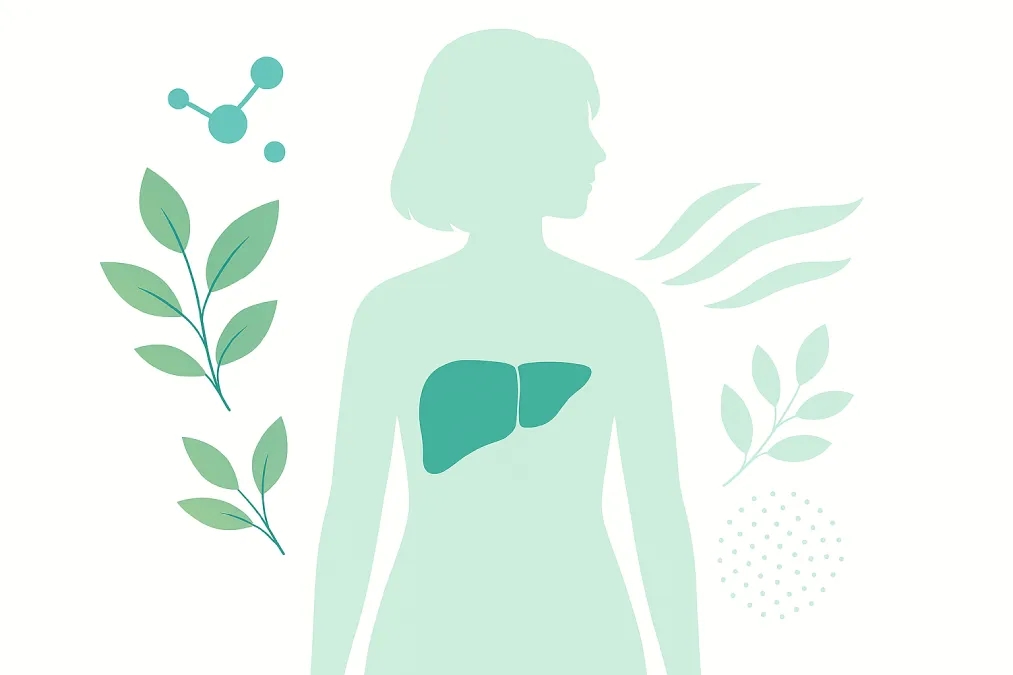
Introduction
Feeling constantly tired isn’t just frustrating — it can quietly drain your joy, focus, and motivation.
Many people blame stress, sleep, or aging for this never-ending exhaustion.
But there’s another organ working behind the scenes that may be quietly asking for attention: your liver.
This article explores the powerful connection between liver function, energy, and metabolism — showing how this vital organ might hold the key to reversing fatigue and restoring balance naturally.
When Tiredness Becomes a Pattern
Occasional tiredness is normal; persistent fatigue is not.
When rest no longer restores energy, the body is signaling a deeper imbalance. Chronic fatigue often shows up with low motivation, mental fog, or even mild body aches.
Yes, stress, poor sleep, and diet play a role. But a silent contributor is liver dysfunction, including fatty liver disease (hepatic steatosis) — a condition that directly affects the body’s ability to process nutrients and produce energy efficiently.
Research shows that compromised liver function can trigger exhaustion, even with proper rest [1–3]. In more advanced cases, it may also cause unexplained weight loss [4, 5].
The Liver — The Forgotten Metabolic Engine
Your liver performs over 500 essential functions [6].
It’s not just a detox organ — it’s your metabolic control center, turning nutrients into usable energy, storing glycogen, producing bile, and regulating hormones.
Key roles of the liver:
- Nutrient metabolism: processes carbs, proteins, and fats, converting glucose into glycogen for energy storage [6, 7].
- Detoxification: filters and neutralizes toxins, medications, and metabolic waste [6, 8].
- Bile production: enables fat digestion and absorption of fat-soluble vitamins (A, D, E, K) [6].
- Storage: reserves vitamins and minerals like B12, iron, and copper [6].
- Hormonal regulation: processes thyroid and steroid hormones [6].
When the liver becomes overloaded or inflamed, these functions slow down — energy drops, and metabolism stalls.
How Liver Overload Affects Energy
When your liver is under strain, the entire energy system feels it.
Here’s how overload disrupts vitality:
| Liver Function Impacted | What Happens | How You Feel |
|---|---|---|
| Glucose conversion ↓ | Energy storage fails | Blood sugar crashes, fatigue [10, 11] |
| Detox capacity ↓ | Toxins accumulate | Brain fog, sluggishness [9] |
| Fat metabolism ↓ | Poor fat utilization | Low stamina [8 |
| Bile production ↓ | Nutrient absorption drops | Weakness, tiredness [6] |
This cycle feeds itself: fatigue leads to inactivity, inactivity leads to more liver overload.
Breaking this loop is the first step to regaining steady energy.
Metabolism, Fatigue, and the Energy Loop
Your metabolism and liver work in a loop — one that determines how vibrant or drained you feel.
A healthy liver regulates nutrient conversion and toxin elimination, keeping energy consistent.
But when detox and fat metabolism slow, ATP production — the molecule that powers every cell — declines.
The result: the body conserves energy, prioritizes survival over vitality, and metabolism slows further.
That’s why people with sluggish liver function often experience chronic fatigue, weight fluctuations, and mental fog [12, 13].
Practical Ways to Support Natural Energy
Supporting liver health doesn’t require a “detox week” or harsh cleanses.
It’s about giving your body what it needs to self-regulate.
Start simple:
- Eat whole, antioxidant-rich foods (leafy greens, berries, turmeric, garlic, onions).
- Reduce processed foods, sugars, and alcohol — they burden your liver.
- Stay hydrated: water is the cheapest detox tool you have.
- Move daily — even gentle activity supports circulation and fat metabolism.
- Manage stress: chronic cortisol disrupts liver and metabolic function.
- Sleep 7–9 hours — that’s when your body repairs and detoxifies.
Some nutrients like milk thistle, NAC, choline, and inositol can aid liver function — always under professional guidance.
These small, consistent habits build true metabolic resilience and sustainable energy.
Curious How Liver Detox Actually Works?
Learn what “detox” really means, which foods and compounds assist your liver, and how to avoid myths.
Liver Detox Guide: How to Revitalize Your Metabolism Naturally
When Lifestyle Changes Aren’t Enough
Sometimes even the best lifestyle changes can’t fully restore energy.
Advanced liver disease, hormonal imbalance, or nutrient deficiencies might require medical care.
If fatigue persists despite consistent efforts, seek professional evaluation.
This article is for educational purposes and does not replace medical advice.
For a science-based look at a natural liver-support formula, see our review:
Liv Pure Review 2025: Liver-Support Formula for Sustainable Fat-Burning
Final Thoughts — Energy Is Balance, Not Force
The liver is more than a filter — it’s the conductor of your body’s metabolic orchestra.
When it’s in tune, energy flows naturally; when it’s overloaded, fatigue takes over.
Understanding and supporting your liver is not a quick fix — it’s a long-term investment in real vitality.
True energy isn’t forced. It’s cultivated through balance, awareness, and care.
Start today by making one conscious change — your body will notice.
References
- Mayo Clinic. Nonalcoholic fatty liver disease – Symptoms and causes.
- Cleveland Clinic. Steatotic (Fatty) Liver Disease: Symptoms & Treatment.
- Healthdirect. Fatty liver — symptoms, causes and treatment.
- Hopkins Medicine. Nonalcoholic Fatty Liver Disease.
- Cleveland Clinic. Liver: Where It’s Located, Function & Anatomy.
- Hopkins Medicine. Liver: Anatomy and Functions.
- Columbia Surgery. Liver Functions, Location, Anatomy and Disease.
- NCBI. Physiology, Liver – StatPearls.
- Michigan Medicine. What Does the Liver Do, and How Do I Keep Mine Healthy?
- UPMC. Function of the Liver.
- Yashoda Hospitals. Fatty Liver Disease: Symptoms, Causes, Treatment.
- TGH. Fatty Liver Disease: Causes, Symptoms & Treatment.
Disclaimer
This article is for educational purposes only and should not replace medical advice.
Always consult a qualified healthcare professional before making changes to diet or supplementation.
Посетите https://buntclinic.ru – это Клиника косметологии Bunt Clinic в Москве. Посмотрите наши услуги. Только квалифицированные специалисты и сертифицированное оборудование. Инъекционная,…
Visit https://orbitra.link — a free, self-hosted traffic tracker. You can deploy Orbitra on an Ubuntu server in just one minute.…
Ребята у кого дача Цены космос а качество мыло То материал фуфло Короче, нашел нормальных ребят — заборы для дачи…
Ребята кто ищет подарки То цены задрали как на золото Объездил кучу магазинов в Москве и Питере Короче, большой выбор…
I can’t believe how amazing this article is! The author has done a fantastic job of delivering the information in…


Leave a Comment